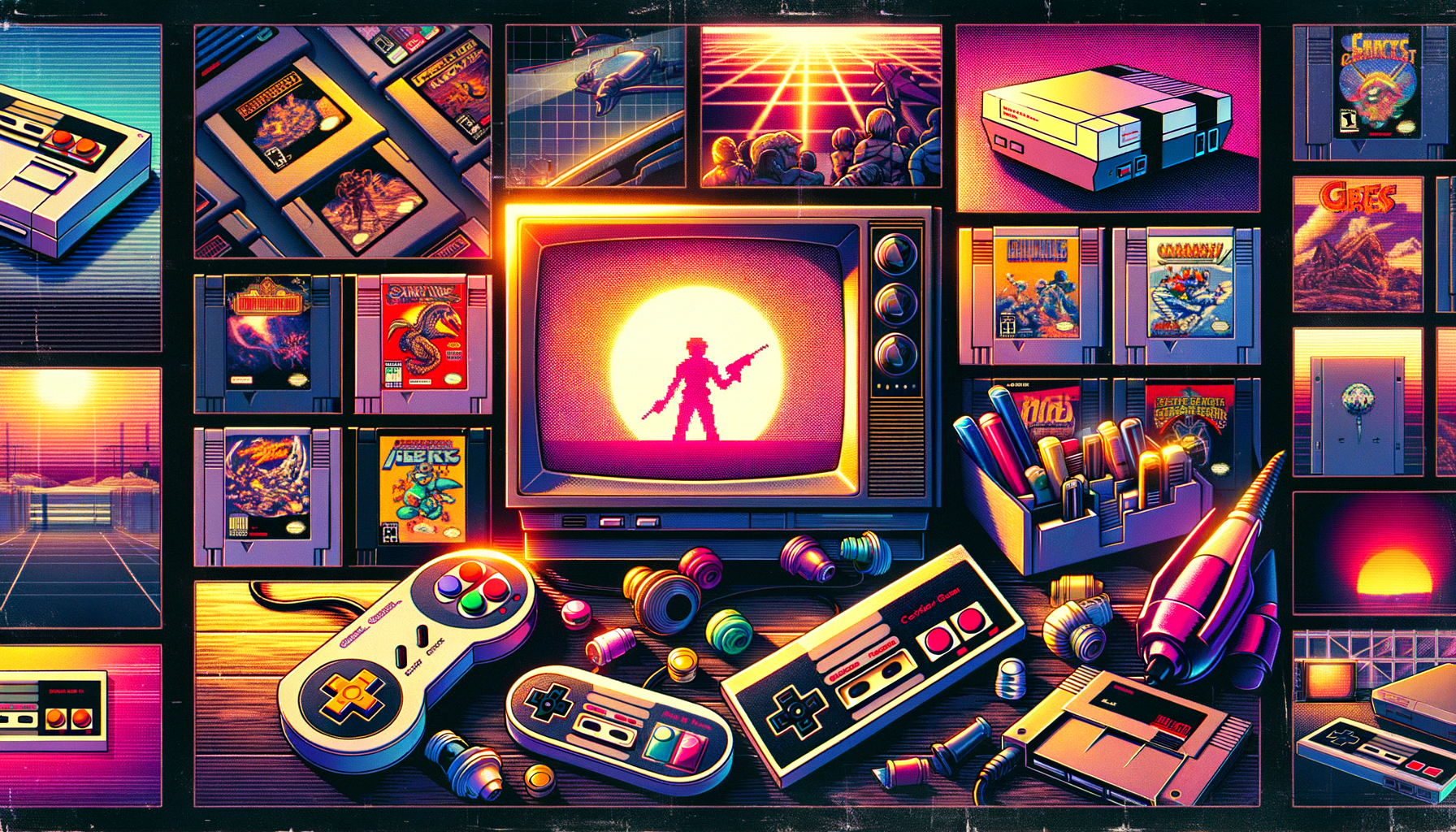
In 2026, retro culture has moved beyond niche collector circles and become a mainstream cultural force. From the glow of CRT emulators to the click of cartridge pins, the aesthetics and mechanics of early gaming are influencing everything from indie releases to high-end hardware reissues. This deep dive explores why retro gaming — and the broader retro renaissance — is thriving now, what’s fueling the trend, and what it means for creators, collectors, and casual fans.
1. Nostalgia, but smarter
Nostalgia is the headline, but it’s not the whole story. Gamers who grew up in the 80s and 90s now have purchasing power and cultural influence. They’re not just chasing childhood memories; they want authentic experiences that feel tactile and finite, a counterpoint to the infinite scroll of modern entertainment. Physical cartridges, CRT shaders, and limited-run remasters offer a tangible relationship with games that streaming and subscription models rarely provide.
2. Accessibility meets authenticity
Emulation and hardware reissues have lowered the barrier for experiencing classic titles, while preservation efforts have made otherwise unreachable software playable. Companies and enthusiasts have struck a balance: high-quality ports and packages that respect the original while fixing rough edges (frame rate issues, translation bugs) that hinder a modern playthrough. At the same time, independent developers borrow retro palettes, chip-tune soundtracks, and tight design philosophies to create fresh games that feel familiar but new.
3. Collector culture = investment culture
Vintage cartridges, boxed consoles, and limited edition peripherals have become small-scale investments. Enthusiast marketplaces and auction sites show rising prices and serious bidding for rare items. That financialization brings more eyes — and more creation — into the space. But it also introduces gatekeeping: scarcity can price out casual fans, shifting the hobby toward collectors and speculators.
4. The aesthetics win everywhere
Retro aesthetics have migrated beyond strictly gaming contexts. Synthwave, pixel art, and VHS-style visuals appear in fashion, UI design, and even culinary branding. This cultural diffusion helps push retro into mainstream media, creating feedback loops where games inspire music and fashion, which in turn bring new audiences back to classic titles.
5. Community and discovery
Platforms like specialized Discord servers, subreddits, and livestreams have played a critical role in the revival. Speedrunners, preservationists, and hardware modders share knowledge openly, lowering the learning curve for newcomers. Community-driven efforts — cataloging versions, patching translations, and building FPGA-based hardware replicas — preserve history and build a living archive that modernizes the experience without sterilizing it.
6. Tech enables the charm
Modern tech ironically enables retro authenticity. FPGA consoles replicate original hardware behavior more accurately than software emulators, and CRT shader packages replicate scanlines and phosphor bloom for players on flat panels. High-quality reproduction cartridges and remastered soundtracks preserve the physical ritual of playing while making the experience reliable on modern displays and controllers.
7. What this means for creators
For indie developers, the retro renaissance is fertile ground. The tight design constraints of 8- and 16-bit-era games teach systems-focused design that scales well on small teams. For merch and apparel brands, retro aesthetics sell — from pixel art tees to cassette-shaped enamel pins. For publishers and platform holders, there’s an opportunity to curate experiences thoughtfully instead of relying solely on nostalgia-priced rehashes.
8. Risks and downsides
Not all is rosy. Oversaturation and lazy nostalgia — re-releasing decades-old titles with minimal care — can fatigue audiences. The collector market’s speculative edge can push real fans out, and legal gray areas around ROM distribution and fan translations complicate preservation efforts.
9. Looking ahead
The retro wave in 2026 looks sustainable because it’s diversified: authentic hardware, modern remasters, indie reinterpretations, and a thriving community ecology all contribute. Expect more collaboration between original creators and new stewards, smarter reissues that respect the source material, and continued stylistic influence across culture. Retro isn’t a rewind button; it’s a toolkit — a set of aesthetics, constraints, and rituals that creators can remix to make something both warm and new.