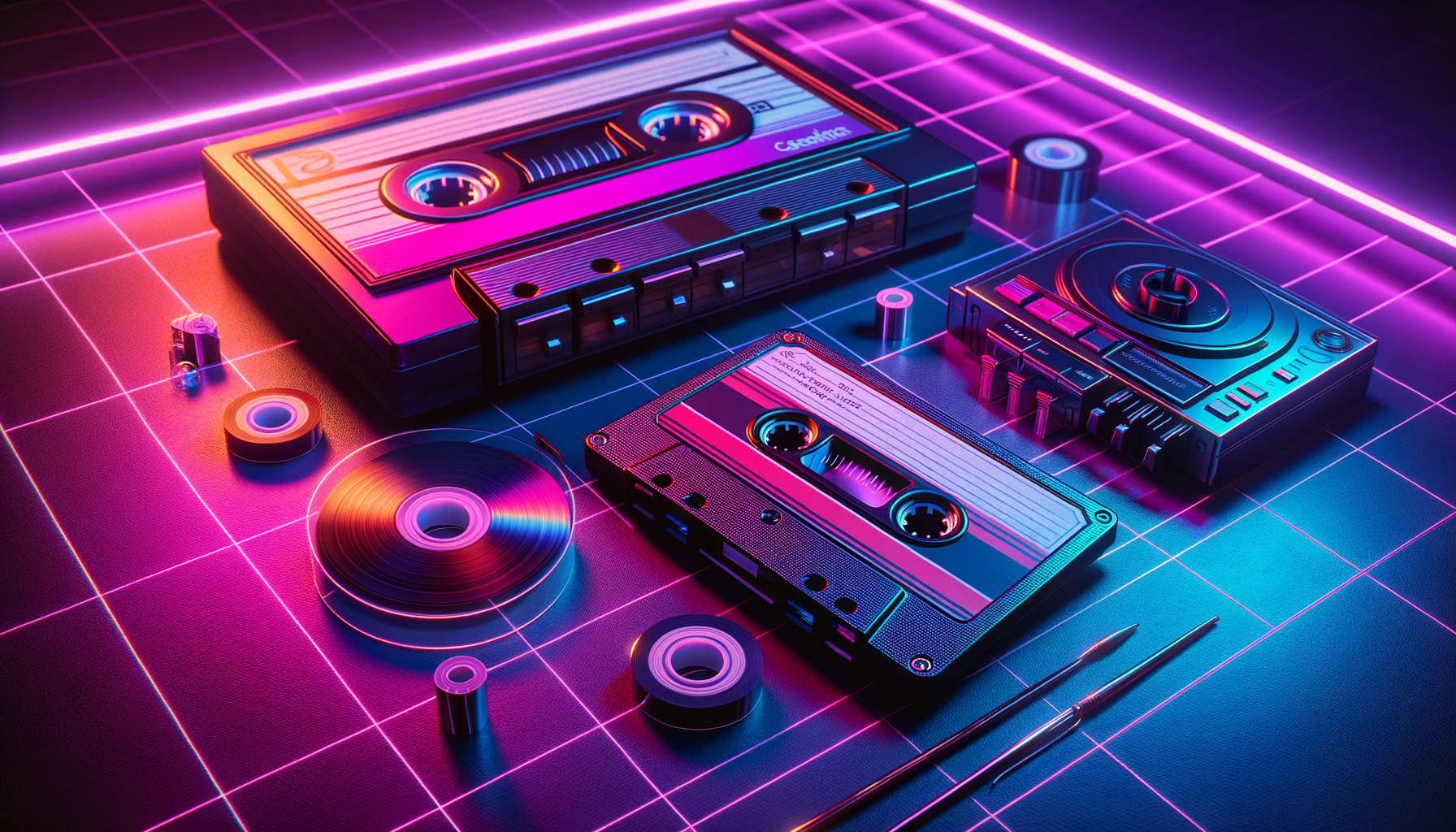
Cassette tapes are back — and this time it’s bigger than nostalgia. What began as small-batch runs from indie labels and boutique manufacturers has, over the past year, coalesced into a visible cultural movement: cassette aesthetics in music releases, fashion, product design, and tech demos. In early 2026 we saw mainstream coverage of cassette resurgences, CES displays that reference cassette form factors, and a surge of social posts celebrating the tactile, imperfect nature of tape.
Why does a plastic rectangle with two spools keep reappearing? The cassette’s comeback is about several overlapping forces: a yearning for tactile, controllable media in an algorithm-driven streaming era; the economics of limited-run physical goods; a design vocabulary (magnetic texture, label art, handwritten liner notes) that translates well into retro and synthwave visuals; and the desire from creators for a tangible object that signals authenticity.
From the music industry to fashion runways, cassette-related releases are acting like a cultural amplifier. Small indie labels use cassettes to create scarcity and community — a 100-copy cassette can sell out and create buzz faster than a digital release lost in playlists. For collectors and younger fans born after the tape era, cassettes are a time machine and a physical token you can hold, trade, and display.
Tech’s role is surprisingly important. Modern hardware that nods to cassette aesthetics — palm-sized players with OLED displays, Bluetooth decks shaped like clear cassette housings, and even smartphone cases modeled on tape shells — make the cassette readable to an audience that expects modern convenience paired with retro flavor. At CES and in boutique audio circles, we’re seeing ‘cassette futurism’: new designs that remix the cassette’s iconic silhouette into contemporary devices.
Cultural drivers: Why now
1) Digital fatigue and attention economy backlash. Many cultural trends in the last five years push back on feed-first, algorithmic discovery. People want artifacts that reward time and attention. A physical tape, with liner notes and a deliberate listening session, resists endless scrolling.
2) Micro-economies for artists. Bands and solo producers use low-cost cassette runs as merch and fundraising tools. Pressing a small run is affordable, and the perceived value is high — fans often buy cassettes as limited-edition collectibles.
3) Aesthetics and storytelling. Visuals inspired by tape — grain, track numbers, hand-labeled stickers — map neatly onto synthwave, lo-fi, and vaporwave aesthetics that are dominant online. Designers and Instagram-friendly product shots create the viral content loop.
4) Hardware nostalgia made useful. Companies repurpose the cassette look without the mechanical headaches: digital playback with tape-styled UI, or hybrid players that read modern files but look like a walkman. That reduces friction for mainstream buyers.
Who’s pushing the trend?
– Indie labels (experimental, punk, synthwave) offering boutique cassette runs and collector bundles.
– DIY musicians and vaporwave producers who use tapes as both art object and physical release.
– Small manufacturers and design studios building cassette-inspired devices and accessories.
– Vintage enthusiasts and influencers who reshare tape art and liner notes on social platforms.
What this means for creators and small brands
If you’re a musician, small label, or merch operator, the cassette trend creates tactical opportunities:
– Limited runs: Offer a 50–200 copy cassette edition as part of a release bundle. Keep the design hand-crafted — handwritten labels, unique J-cards, or small-run screen print sleeves make each copy feel special.
– Storytelling: Use the cassette as a narrative device — liner notes, hidden messages, or serialized track orders that encourage listening from start to finish.
– Merchandise crossovers: Pair tapes with enamel pins, stickers, or photo zines to increase perceived value and average order size.
– Visual assets: Use tape textures, grain, and label typography in social imagery and product shots to ride the aesthetic wave.
For consumer brands and product designers, there’s room to reinterpret the cassette silhouette safely and legally. Don’t mimic branded walkman trademarks, but use the form factor as inspiration: tactile buttons, windowed plastic, color-blocked shells, or packaging that opens like a J-card.
The limits and risks
– Gimmick risk: Some cassette products are purely decorative and offer no added value beyond novelty. That fatigue can set in quickly if the market floods with low-effort cassette goods.
– Environmental concerns: Physical media means materials. Small runs can be sustainable, but cheap mass-produced plastic reissues aren’t a win for eco-conscious consumers. Consider recyclable packaging or limited-art reuses.
– Copyright and rights: Bootleg or unauthorized physical releases remain illegal. If you sell tapes with curated samples or covers, clear the rights first.
Where the movement connects with retro culture at large
Cassette revival sits at the intersection of multiple retro trends: vinyl’s endurance, the resurgence of analog photography, and the continued popularity of 80s/90s design languages. But tapes bring a unique advantage: they’re cheap to produce at small scale and visually iconic. They allow creators to release physical art without the higher upfront costs of vinyl pressing. That makes cassettes especially useful for emerging artists who want a physical artifact for fans but can’t justify pressing records.
Practical tips for brands wanting to join the trend (quick checklist):
– Start small: 50–200 copies, numbered.
– Design for touch: use textured inks, hand-labeled stickers, or unique J-card art.
– Photograph for socials: emulate cinematic, neon-lit tabletop photography (think synthwave palette and film grain).
– Pair with digital: include a download code or link so buyers get both the tactile tape and modern streaming access.
– Don’t overdo it: keep some items premium; scarcity drives desire.
The future: is this a fad or a durable shift?
Trends driven by nostalgia can burn bright and fade faster than platform cycles. But cassette revival ticks several boxes that make it stickier: practical economics for small creators, a strong visual identity that’s shareable, and enough product design innovation to make cassette-inspired devices useful rather than purely retro. If the movement continues to adapt — focusing on quality, sustainability, and creative storytelling — it’s likely to remain a vibrant subculture rather than a fleeting gimmick.
Conclusion
Cassettes are more than a novelty in 2026. They’re a cultural shorthand: an object that communicates intentional listening, DIY credibility, and analog warmth. For creators and small brands, that translates into real opportunities to make limited physical products that resonate with a community hungry for authenticity. For the rest of us, the cassette comeback is a reminder: even in a streaming-first world, people still crave objects worth holding.
Sources (links):
– https://www.bgr.com/2135536/80s-cassette-tapes-comeback-2026/
– https://www.timeextension.com/features/retro-recap-all-the-classic-gaming-news-from-the-past-week-april-5th-2026
– https://www.reddit.com/r/cassetteculture/comments/1q6ge8l/ces_2026cassette_players/