Snowball Earth: Why 2026’s Coolest Sci‑Fi Anime Might Melt the Genre’s Expectations
The new anime adaptation of Yuhiro Tsujitsugu’s Snowball Earth arrived in spring 2026 with a quiet, unnerving confidence: this isn’t just another mecha show or climate allegory, it’s an intimate, hard‑edged study of survival, grief, and how people rebuild meaning under literal and metaphorical ice.
What Snowball Earth Is
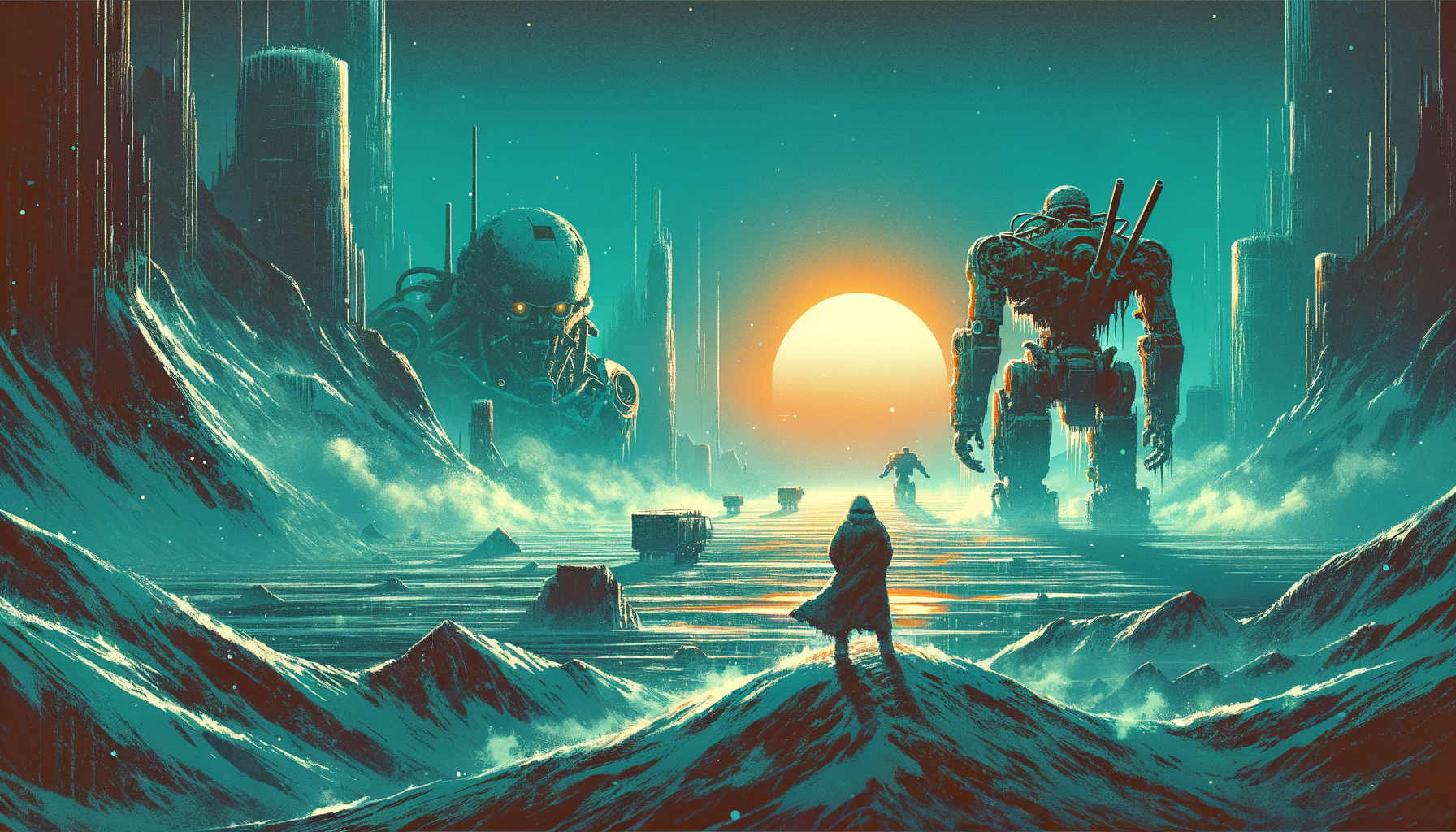
Snowball Earth began as a seinen sci‑fi manga that imagines a near‑future Earth locked in a deep freeze after a planetary catastrophe. The manga’s strength has always been in its worldbuilding — not the big set pieces, but the small domestic decisions and technical details that make a frozen world plausible. People scavenge geothermal vents for warmth, communities form around rare data caches, and hulking biomechanical machines—half‑ruined artifacts of the pre‑catastrophe age—loom like cold monuments to a past hubris.
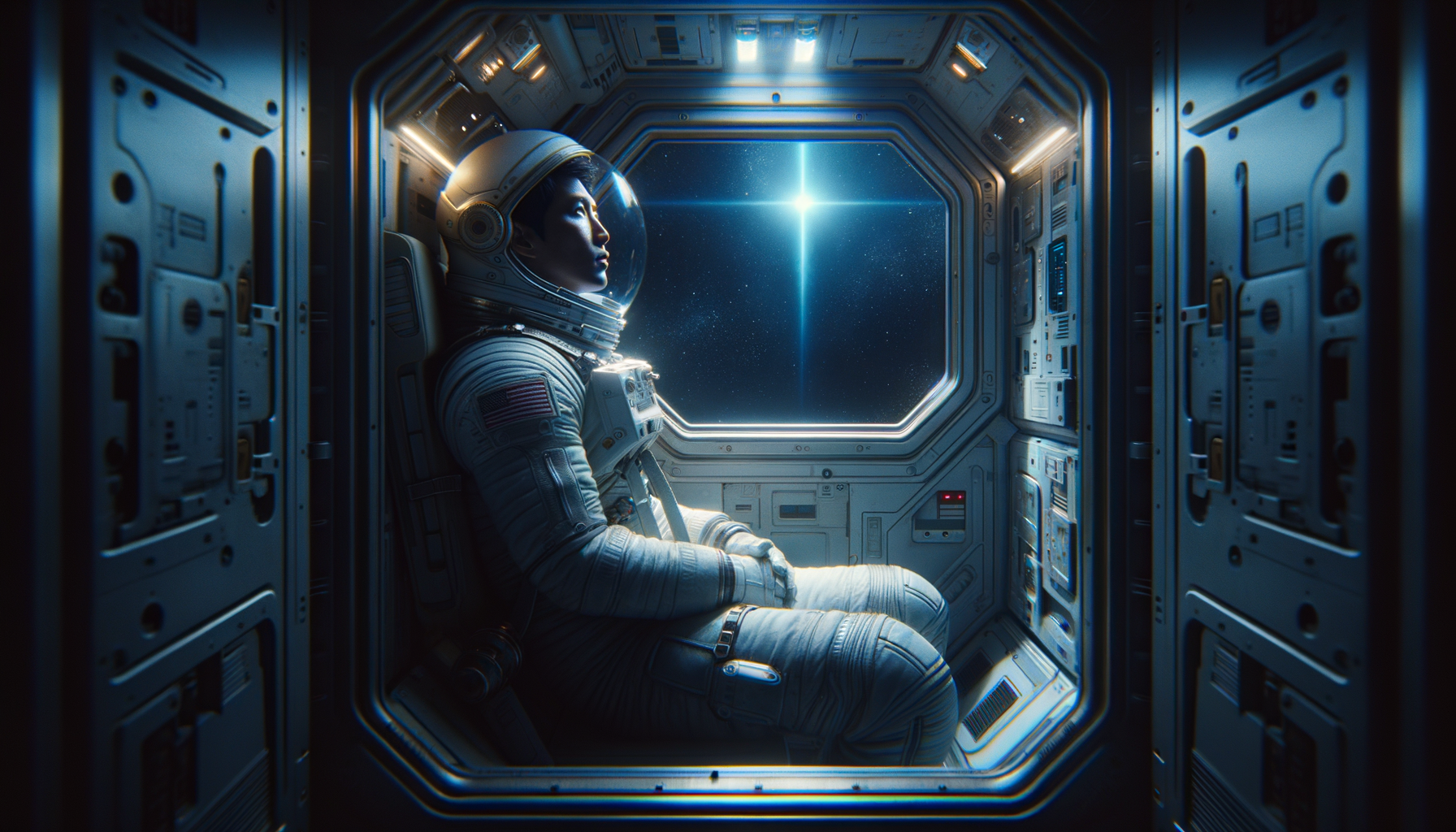
The anime adaptation, produced by Studio Kai and premiering April 3, 2026, leans into that tonal mix. Director Munehisa Sakai (bringing a steady hand from earlier dramatic work) and the production team emphasize atmosphere: long, silent establishes of ice plains, closeups on frost patterns on a character’s face shield, and sound design that treats wind as a character. The story centers on a solitary protagonist who awakens from cold sleep into a changed world and must navigate alliances and betrayals as the question of whether Earth can warm again becomes both a scientific and ethical dilemma.
Why it’s trending now
Several things push Snowball Earth into the spotlight this season. First, it sits within a packed spring lineup that has viewers hungry for thoughtful sci‑fi after several seasons of high‑concept fantasy and is getting good visibility on major streaming windows. Second, the source manga built a dedicated readership; when a series marries a niche but passionate fanbase with the visual power of anime, social momentum follows quickly. Third, the show’s visuals and theme—climate catastrophe refracted through personal drama—tap into wider cultural conversations about resilience and technology’s role in recovery, making it easy for critics and casual viewers to latch on.
What it does differently
Snowball Earth refuses melodrama in favor of tonal restraint. Rather than blasting through spectacle after spectacle, it uses scale to make human moments feel small and fragile. The mechs (biomech suits, salvage frames, or simply “suits” as characters call them) are treated more as weathered tools than star vehicles; their corroded joints and creaking hydraulics become part of the score. This focus on the quotidian—how people mend filters, barter for battery cells, or ritualize last‑ditch heat sources—grounds the fantastical premise.
Narratively, the series asks less about global politics and more about moral calculus in survival: who shares rations, who hoards knowledge, when does preservation of culture outweigh expedient cruelty? Those are mature themes that reward viewers looking for existential texture rather than instant thrills.
Visuals and sound: an audio‑visual winter
Studio Kai’s palette favors teal and cerulean washes punctuated with rare warm lights—orange embers, sodium streetlamps, a blood‑red flare. Backgrounds are dense with crystalline detail; the art direction implies the world’s history through debris and frozen artifacts rather than exposition. The sound design is similarly disciplined: creaks, the soft hiss of thermal insulation, the distant metallic groan of settling structures. This aesthetic creates an audiovisual identity that’s more meditative than frenetic.
What to expect from the adaptation choices
Adaptations live or die on what they choose to keep: Snowball Earth trims some of the manga’s side episodes but keeps its thematic spine intact. The anime compresses certain timelines for pacing but enriches character beats through expressive animation and voice work that brings subtext to the surface. Fans will debate omissions, but the core arc—humanity’s attempt to find narratives that justify rebuilding—remains.
Where Snowball Earth sits in 2026 sci‑fi anime
2026 has been an interesting year for sci‑fi anime: there’s a clear bifurcation between spectacle‑first shows and smaller, auteur‑driven pieces exploring identity and ethics. Snowball Earth fits the latter category and benefits from audience appetite for “grown‑up” sci‑fi—series that engage with science as a social practice rather than just a set of gadgets.
It also trades on nostalgia for practical effects: where recent mainstream anime tilt toward glossy CG, Snowball Earth feels tactile. Mechanical designs look like they were sketched by engineers, textures read like metal and insulation, and damage feels credible because it matters to daily survival—not just to look cool in one fight sequence.
Potential weak points and risks
No series is flawless. Snowball Earth’s deliberate pacing may alienate viewers expecting rapid set piece escalation. The show’s emphasis on ambiguity—leaving moral outcomes unresolved—can frustrate audiences who prefer tidy answers. Finally, translating a dense world into a weekly 24‑minute episode format risks losing some of the nuance that the manga’s slower chapters afford. But for viewers willing to surrender to its rhythm, the payoff is often richer characterization and thematic weight.
Why it matters
Snowball Earth matters because it shows how genre can be used to rehearse contemporary anxieties without resorting to didacticism. It treats climate collapse as a backdrop for human stories rather than a lecture topic, asking how communities remake meaning with limited resources and fading histories. That’s a story both timely and timeless.
How to watch it critically
If you watch Snowball Earth, look for the small engineering choices: repeated shots of certain tools, the rituals characters perform around heat sources, and how knowledge is hoarded, taught, or lost. Those details encode the show’s view of civilization. Notice the framing: closeups that dramatize repairs, wide shots that emphasize isolation, and how music cues shift when characters contemplate moral choices.
Also pay attention to the show’s treatment of technology. Are machines neutral tools, or do they encode social hierarchies? The series invites questions about maintenance as moral labor: who fixes things, who understands the old world, and who reaps the benefits of that understanding.
Final thought
Snowball Earth isn’t a blockbuster event title. It’s a slow‑burn thought experiment dressed as a sci‑fi survival drama. For viewers craving atmospheric worldbuilding, ethical ambiguity, and mechanical intimacy, it’s one of 2026’s most satisfying entries. And as debates about climate, technology, and community reshape cultural conversation, shows like this demonstrate that anime remains a uniquely flexible medium for reflecting on how we live in—and after—crisis.
Sources
– Anime News Network (Snowball Earth anime announcement): https://www.animenewsnetwork.com/news/2025-07-17/yuhiro-tsujitsugu-snowball-earth-manga-gets-tv-anime-in-2026/.226762
– MyAnimeList news (anime adaptation details): https://myanimelist.net/news/73025003
– CBR (premiere and studio info): https://www.cbr.com/snowball-earth-mecha-anime-2026-sleeper-hit/
– Crunchyroll News (release and streaming notes): https://www.crunchyroll.com/news/announcements/2026/4/2/snowball-earth-anime-english-dub-same-day-release-cast-crew
– Wikipedia (Snowball Earth manga): https://en.wikipedia.org/wiki/Snowball_Earth_(manga)
Categories: Articles, Sci‑Fi