Cassette Futurism: Why the Analog Past Is the Hottest Future Right Now
In the middle of 2026, a surprising cultural pattern keeps repeating: young people are seeking out the tactile, the imperfect, and the magnetic. Cassette tapes — the humble plastic rectangles once discarded as relics of mixtape culture — have quietly become a symbol for a broader retro-tech revival. This is not just nostalgia. It’s a creative movement intersecting music, visual art, fashion, and DIY tech that reimagines the analog aesthetic as a future-facing design language. Call it “cassette futurism.”
What is Cassette Futurism?
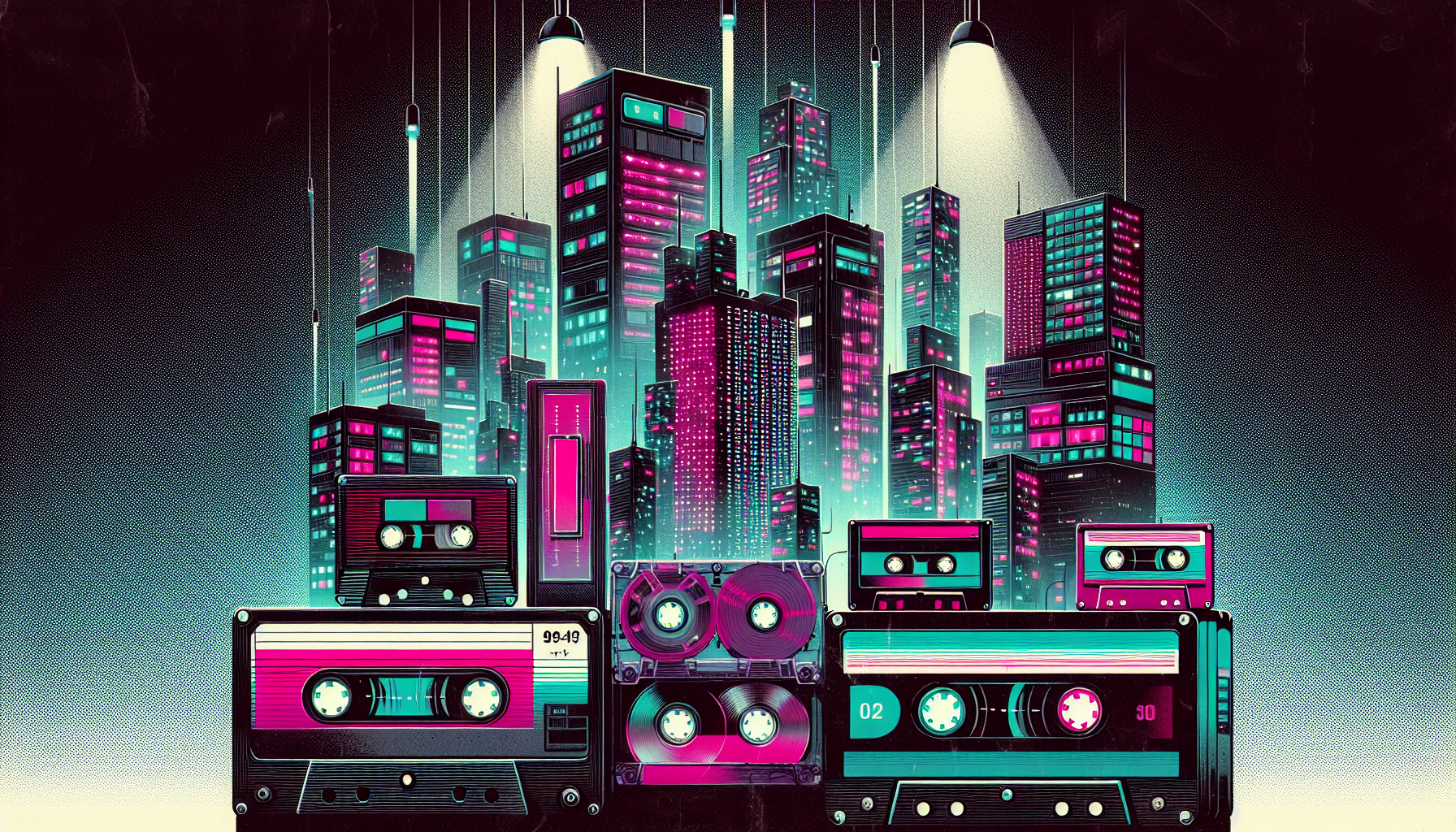
Cassette futurism is an aesthetic and cultural moment that re-centers analog audio gear, cassette tapes, and low-fi production values as desirable design elements. Imagine synthwave cityscapes lit by neon, but built out of oversized cassette shells, dot-matrix displays, and servo motors. It’s the visual cousin of vaporwave and synthwave, but with a tactile, mechanical heartbeat: visible tape spools, worn labels, and the small mechanical failures that promise human touch.
Why It’s Trending Now
Several trends converge to make cassette futurism pop in 2025–26:
- Reaction to over-optimized streaming: Music feels sterile when every recommendation is engineered. Cassette culture foregrounds curation, surprise, and ownership — even if it’s just owning a physical artifact.
- Design fatigue and the appetite for texture: After years of flat, glassy UI, designers and consumers crave materiality — grain, dust, imperfect printing. Analog gear offers that instantly.
- DIY and micropress scenes: Independent musicians and labels embrace cassettes because they’re cheap, easy to duplicate, and feel special to fans. That fuels a loop: artists pressing tapes create scarce, collectible artifacts that look great in social feeds.
- Synthwave and retro media cycles: Interest in 80s/90s aesthetics remains strong, and creators keep finding new ways to remix those influences with contemporary art and commentary.
Where You See It: Music, Fashion, and Art
Music: Bands and solo producers release limited-run tapes alongside digital drops. Labels use tape art as memorabilia and merch, and cassette-only EPs create a sense of occasion. The lo-fi warmth of tape saturation is often embraced as a production choice rather than a technical compromise.
Fashion: Designers are pulling cassette iconography into prints, patches, and accessories. Streetwear brands and indie labels use cassette shells and exposed tape motifs on tees and hoodies, turning analog detritus into premium visual shorthand.
Visual Art: Cassette futurism appears in posters, album covers, and installations. Artists create synthwave-style collages swapping skyscrapers for stacked tape decks, or build sculptures from disused players and spools—turning obsolescence into spectacle.
Economics and Collectibility
Cassettes can be produced cheaply in small runs, which fits the current boutique merchandise economy. A run of 50–200 tapes is affordable for an indie musician but still scarce enough to drive fandom. This scarcity creates collectibility, and collectors often pay a premium for hand-numbered, artfully packaged tapes. The economics also support micro-entrepreneurs: small presses, DIY duplication services, and zine-makers find cassettes an accessible product to sell directly at shows or via Bandcamp.
Tech, Hacking, and Maker Culture
Beyond aesthetics, there’s a practical maker element. Tinkering with tape decks, building custom players, and repurposing vintage hardware for MIDI or visual control systems has become a hobbyist tech niche. Workshops teach how to fix heads, clean capstans, and adapt tape transport motors to new uses. The analog signal chain—heads, belts, motors—offers a mechanical entry point for people who want a hands-on contrast to purely digital creation.
Cultural Meaning: Why It Matters
Cassette futurism signals a shift in values. It’s less about longing for the past and more about critiquing the present. In a time when attention is automated and content is endlessly optimized, physical artifacts reintroduce friction: slower discovery, deliberate curation, and chance. That friction is meaningful to many creators and listeners because it restores agency and ritual to media consumption.
Critiques and Caveats
Of course, not everyone is on board. Critics point out that cassette revival can be performative — an aesthetic choice divorced from deeper commitments to sustainability or community. There’s also the real waste problem: producing plastic tapes isn’t environmentally ideal. Makers are responding by promoting recycling, using eco-friendly packaging, and experimenting with biodegradable shells.
How to Participate (if you want to)
- Buy from artists directly: support indie labels and small-run presses.
- Try a DIY duplication: learn how to dub tapes and make simple inserts—fans appreciate handmade quirks.
- Join local meetups and swap meets: hardware trading and repair communities are great ways to learn and connect.
- Use the aesthetic responsibly: if you’re a brand, consider sustainable shells, limited runs, and meaningful packaging that gives fans context.
What’s Next
Cassette futurism is likely to stay as long as the cultural drivers—design fatigue, DIY economies, and appetite for materiality—remain. Expect hybrid experiments: tapes bundled with interactive AR experiences, tape-based installations augmented with projection mapping, and collaborations between visual artists and synth producers. The movement isn’t a mass-market reset; it’s a creative undercurrent that influences how mainstream culture imagines and packages nostalgia.
Conclusion
In the end, cassette futurism matters because it’s an approach to culture that values texture, scarcity, and human labor in a world that increasingly flattens experience into instantaneous streams. Whether you’re a musician, maker, designer, or just someone who loves a good mixtape, the resurgence offers a reminder: sometimes the future looks like an old tape, glowing under neon.