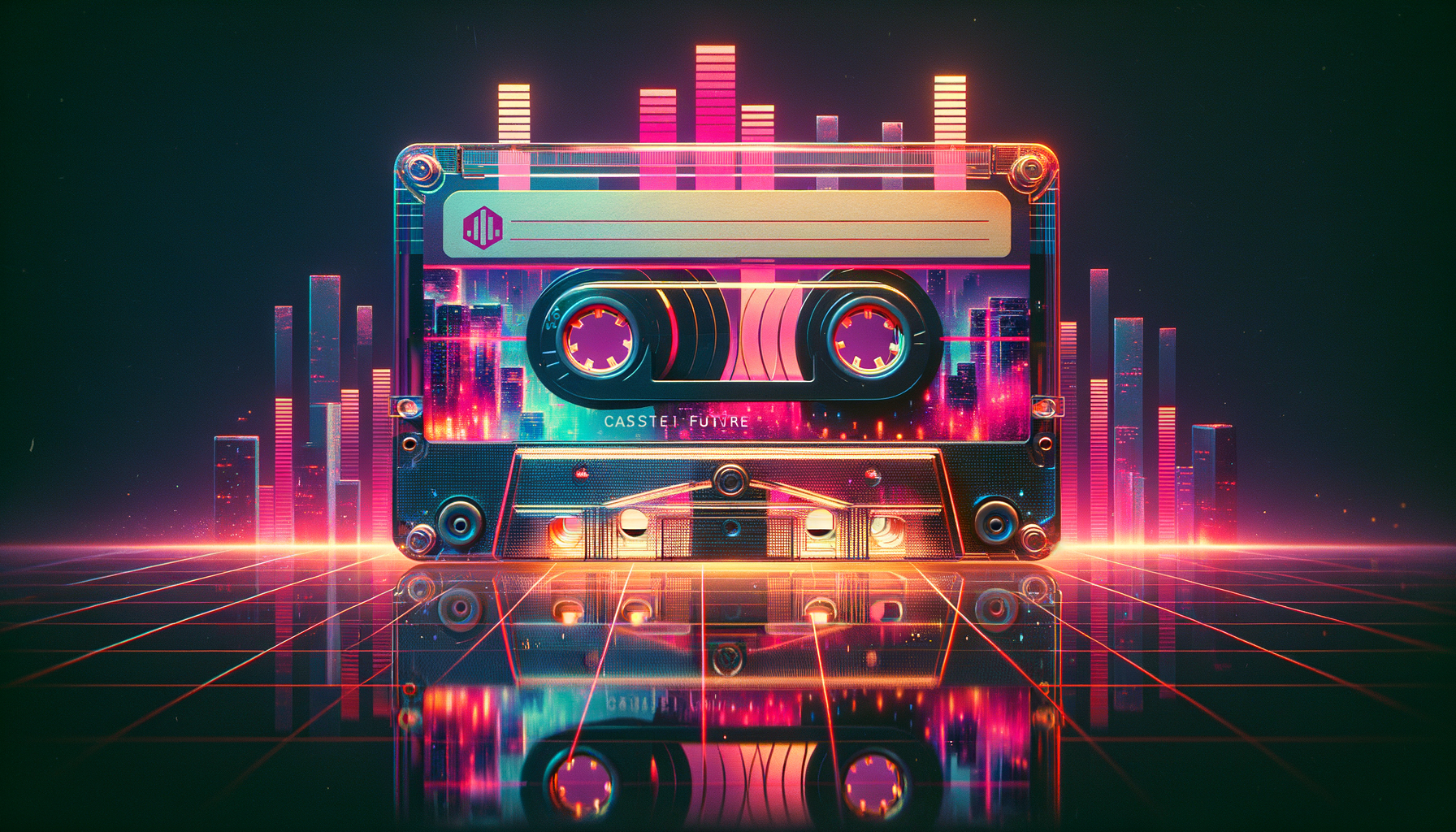
In 2026, the past sounds new again. A growing wave of designers, musicians, hackers, and collectors are embracing what we can call ‘cassette futurism’—the aesthetic and practical revival of analog tape, retro audio hardware, and lo-fi tactile tech. This isn’t simple nostalgia; it’s a creative movement that folds the imperfect textures of older media into contemporary design, music, and hardware hacking. From indie synthwave records released on cassette to boutique boomboxes with Bluetooth inside, cassette futurism reframes analog flaws as expressive features.
Why now? Several forces converged: younger creators raised on streaming crave physical artifacts that signal taste and effort; musicians hunt for warm, weird sonic textures that digital plugins only approximate; designers favour visible process and imperfection over slickness; and supply-chain shifts have made small-batch manufacturing for retro formats viable. The result is a DIY-friendly culture where vintage tape heads, magnetic saturation, and hiss are tools, not bugs.
At the heart of cassette futurism is a paradox: we want the convenience of modern tech while keeping the serendipity and tactility of analog. Makers solve this by hybridizing—transplanting Bluetooth radios, USB-C charging, and streaming-capable DACs into chassis that look and feel like 1980s gear. These hybrids let listeners stream playlists in the moment but also press a button to record the set to tape. That combination of immediate access and slow artifact creates new ritual: recording a live set becomes a cherished physical object, not just another ephemeral file.
The sound side matters. Analog tape introduces nonlinearities—compression, saturation, and subtle warping across frequencies—that many musicians now celebrate. Producers seeking ‘warmth’ use real tape chains (or high-quality emulations) to move away from brittle digital perfection. Tape’s limitations—narrow dynamic range, hiss, wow and flutter—force creative decisions and often lead to more interesting arrangements than sterile quantized tracks. Bands in indie, synthwave, lo-fi hip-hop, and even experimental electronic circles are releasing limited cassette runs because the medium colors their music in ways streaming cannot.
Beyond music, cassette futurism shows up in visual design and product culture. Packaging embraces stickered, hand-numbered runs. Art direction leans toward halftone textures, neon gradients, and VHS-style typography: a nod to both the 80s mythos and the analog materiality. Instagram and TikTok amplify physical unboxing rituals—peeling cellophane, flipping over J-cards, and the audible clicking of a tape player—that make the medium itself content.
The movement also has a maker and hacker aspect. Modern microcontrollers and small-scale fabrication let hobbyists rebuild cassette decks with modern parts, swap in Bluetooth modules, or even design new tape-based instruments. DIY communities share guides to aligning tape heads, reducing wow, and maximizing signal-to-noise—skills that would seem archaic a decade ago but now form a new craft vocabulary. Even hack spaces now host ‘tape days’ where participants refurbish decks and make mixtapes together.
There are broader cultural reasons this resonates. In a world where attention is increasingly measured and optimized, physical media slows things down. A cassette is inherently sequential—you can fast-forward, but the format encourages listening in order, paying attention. In short bursts of curated ritual, people find a counterbalance to the stream-and-swipe economy. Owning a small stack of tapes becomes a statement about how you spend your attention.
Economically, cassettes are appealing for independent artists and micro-labels. Production costs are low enough for runs of a few dozen to a few hundred, and the physical artifact adds perceived value for fans. Platforms that cater to physical drops—Bandcamp, independent mailorder services, and even Etsy—make fulfillment manageable. For creators, selling a cassette is both revenue and an intimate fan-building tool: limited runs foster scarcity and community.
But cassette futurism isn’t without critiques. Some argue the revival is aesthetic posturing—an affectation detached from deeper engagement with media history or accessibility concerns. Cassette-playing requires hardware and maintenance; not everyone can afford a well-serviced deck. There are also environmental questions: producing new plastic shells and tapes has a footprint. Many makers respond by emphasizing repair culture, salvaging old decks, and designing modular devices with replaceable parts to extend life cycles.
So what should brands and creators do if they want to join this moment without looking performative? First, be specific about what you’re celebrating: sound character, tactile ritual, or material design? Second, invest in quality—cheap reissues feel exploitative; true craft requires thoughtfulness in packaging and mastering. Third, meet people where they are: offer hybrid products that bridge convenience (streaming/USB) and artifact (tape). Finally, support accessibility: document how to use and maintain gear, and consider community trade-ins or repair workshops.
Cassette futurism is more than a retro fashion cycle. It’s a design philosophy that reasserts the value of physical interaction and imperfection. Whether it’s a synth duo pressing 100 limited tapes, a startup building boutique boomboxes, or a DIY collective teaching tape-head alignment, the movement repurposes analog constraints into expressive possibilities. In the age of infinite content, the slow, tactile, and imperfect stands out—and that may be exactly why cassette futurism is sticking around in 2026.
Quick resources: look for indie labels doing limited cassette runs on Bandcamp, join communities on Reddit’s r/vintageaudio and r/cassetteculture, and follow makers who rebuild decks or design hybrid cassette devices on Instagram and Hacker News.