

Much of retro gaming’s allure is mystery, and rare interviews that pull back the curtain are pure gold. This week, designer Chris Senn — one of the folks who worked on a high-profile Saturn-era 3D project — spoke about the decisions, studio pressures, and technical roadblocks that led to a one-way ‘fork in the road’ for the game. If you care about how games almost-made-it become legends, this is the kind of oral history that gives you shivers.
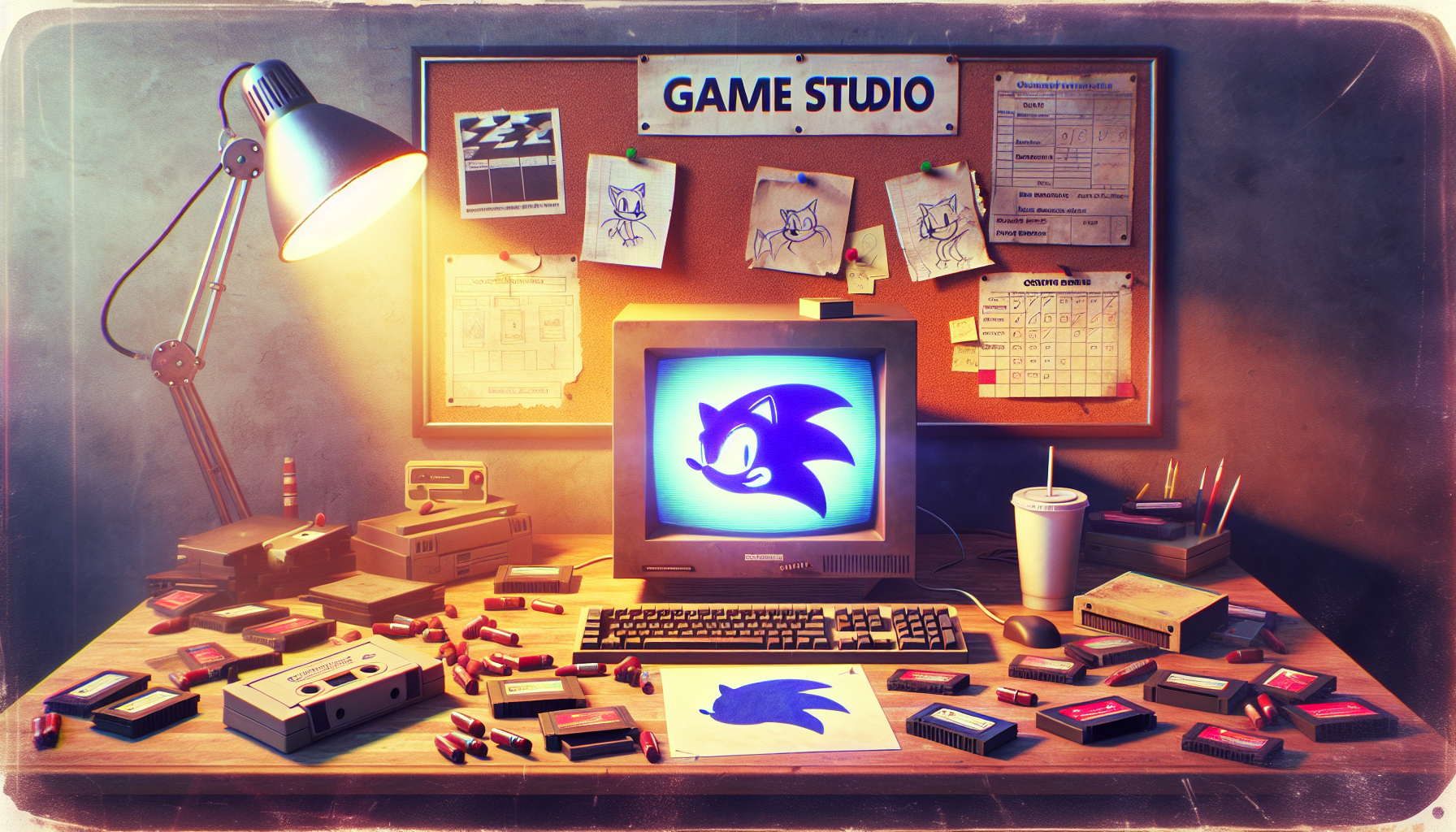
Senn’s interview walks through the collision of ambition and hardware: late-stage engine changes, platform politics, and the crunch that turns creative energy into a conveyor belt. For collectors and preservationists, these accounts add context to prototype builds and rare screenshots floating around auction listings and forums. For room-builders and streamers, it’s a reminder why those old CRTs, dev cartridges, and scribbled design docs feel like relics with stories.
What stood out was how small decisions—changing direction on rendering techniques or a missed tool deadline—created cascading effects that made the project impossible to finish on time. The piece isn’t nostalgia-only; it’s useful: modern indie teams can learn from those constraints and avoid similar fate when juggling scope and platform choices.
Bottom line: if you love retro gaming lore, this interview is a must-read. Bookmark it, grab a coffee, and enjoy the kind of behind-the-scenes detail that fuels forum debates and midnight deep-dives.